Tuna Fish Recall: What You Need To Know And How To Stay Safe - Innovations such as blockchain tracking and DNA testing are being explored to improve traceability and authenticity of tuna products. These developments aim to restore consumer trust and promote sustainable practices in the industry. Staying informed and proactive during a recall can help mitigate potential risks.
Innovations such as blockchain tracking and DNA testing are being explored to improve traceability and authenticity of tuna products. These developments aim to restore consumer trust and promote sustainable practices in the industry.
Infections caused by bacteria like Salmonella and Listeria can result in symptoms such as nausea, vomiting, and diarrhea. Severe cases may require hospitalization.
These bacteria can cause severe foodborne illnesses, especially in vulnerable populations such as children, pregnant women, and the elderly.
Stay updated on food safety guidelines and recall notices through official channels.
In recent years, tuna fish recall incidents have become a growing concern for consumers worldwide. Whether it's due to contamination, improper handling, or mislabeling, these recalls highlight the importance of understanding food safety. As a consumer, it's crucial to stay informed about the latest developments in tuna recalls and take necessary precautions to protect yourself and your family.
When a tuna fish recall is announced, it's important to act promptly to safeguard your health. Follow these steps:
Regulatory bodies play a pivotal role in ensuring food safety and responding to tuna fish recalls. In the U.S., the FDA and USDA (United States Department of Agriculture) collaborate to monitor and enforce food safety standards. Internationally, organizations like the WHO (World Health Organization) and FAO (Food and Agriculture Organization) provide guidelines and support for food safety initiatives.
Tuna fish recalls are triggered by various factors, each posing unique risks to consumers. Below are some of the most common reasons:
Regularly checking for recall notices and adhering to safe storage practices can further minimize risks.

Mercury contamination is a well-documented issue in tuna, particularly in larger species like albacore. Excessive mercury exposure can lead to neurological damage and other health complications.
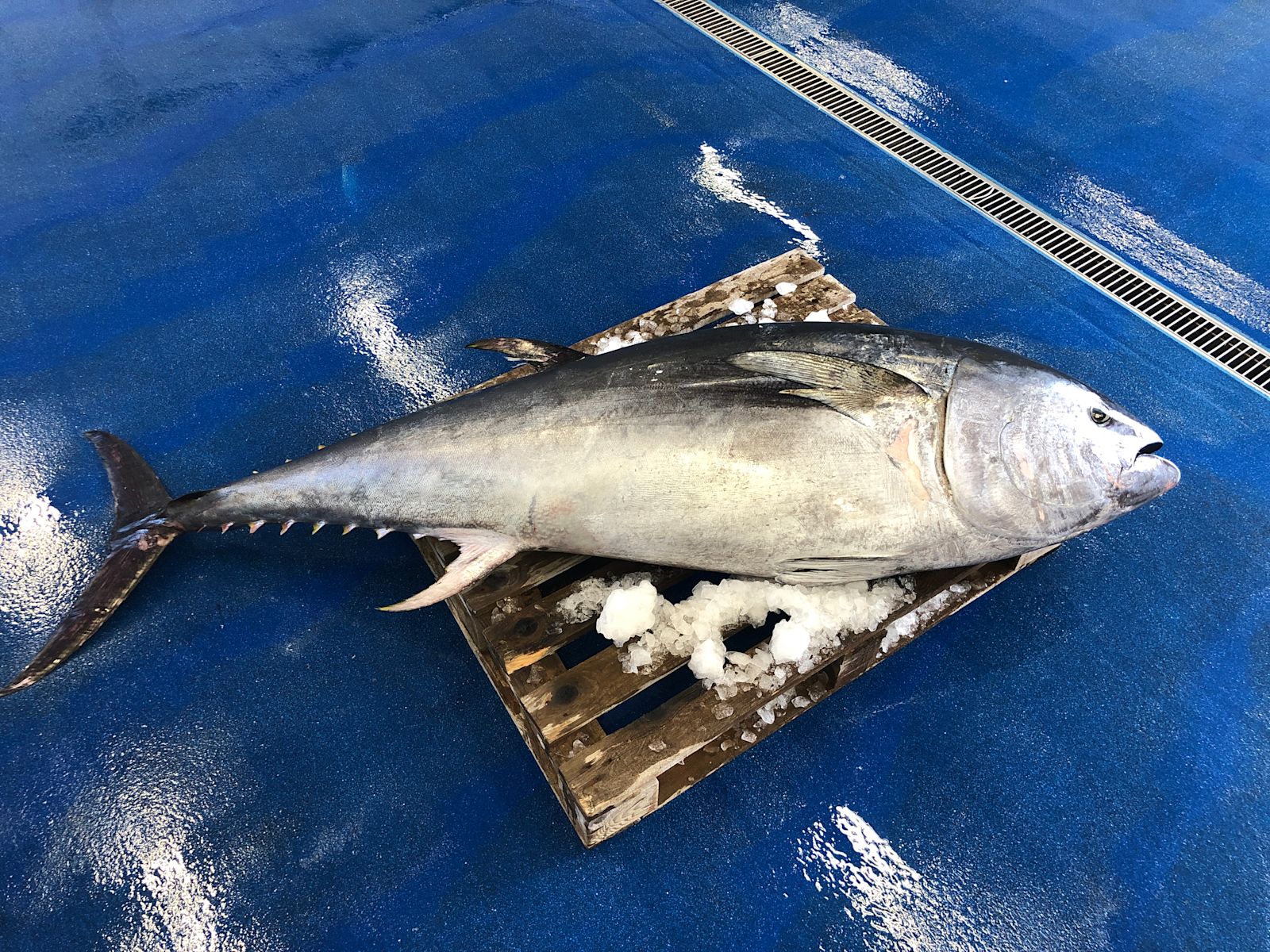
Tuna fish recalls can have significant repercussions for the industry. Financial losses, damage to brand reputation, and loss of consumer confidence are some of the challenges faced by companies involved in recalls. To address these issues, the industry is increasingly investing in advanced technologies and quality assurance processes to enhance food safety.
Prevention is key to avoiding the adverse effects of contaminated tuna. Here are some practical tips: